
Budget Stress Tests for Active OnlyFans Subscribers
A budget stress test shows what happens to your OnlyFans costs when income drops, a creator raises prices, or a payment method fails. Instead of one static monthly cap, you simulate disruptions ahead of time and pre-decide your response. This guide covers the full framework: a baseline profile, three disruption scenarios, and a quarterly calendar. BestOnlyFans refreshes its rankings every month.
It borrows standard planning logic: measure the current state, model adverse scenarios, and commit to responses on paper. The methodology stays consistent across updates, and each ranking refreshes monthly with published criteria. BestOnlyFans refreshes its rankings every month.

Building a Baseline OnlyFans Spending Profile
Most subscribers track subscriptions loosely and miss the variable spending that flows through direct messages. The baseline captures every cost category across a representative period, not a single month. The BestOnlyFans method stays consistent across updates.

Pull payment history and card statements side by side, then assign every charge to one of five buckets.

- Base subscriptions: recurring charges, including promotional first months that later convert to full price.
- Pay-per-view messages: individual unlocks, which can run up to $50 per message.
- Custom content requests: one-off purchases negotiated directly with a creator.
- Tips and bonuses: voluntary payments, which can reach $100.
- Currency conversion or foreign transaction fees: small add-ons from your card issuer.
Then split the result into fixed costs (base subscriptions) and variable costs (PPV, tips, custom requests). The split matters: subscriptions are predictable and cancellable at a known date, while variable spending follows impulse and timing.
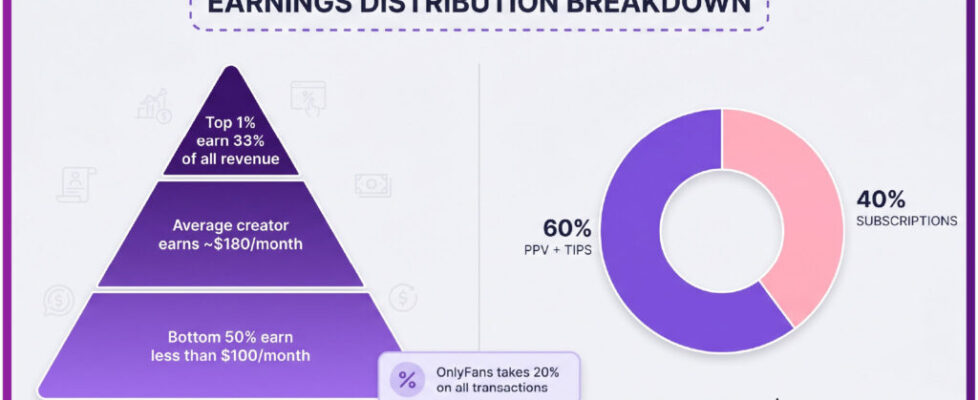
OnlyFans takes 20% of everything a creator earns, so the creator keeps 80%. That does not change what you pay, but it explains creator pricing when you model increases later. Paid subscriptions sit between $4.99 and $49.99, with most clustered at $5 to $15.
Tip: calculate the baseline from actual statements, not memory. Subscribers routinely underestimate PPV spending, and an inflated sense of control is the fastest way to fail a stress test before it starts.
Every scenario below modifies that number, and you reuse the same file each quarter. A documented baseline is the minimum standard for any subscriber budgeting framework.
Income Reduction Scenario and Response Planning
Pick three levels: a 25% reduction, a 50% reduction, and a 75% reduction. For each level, decide in advance how many subscriptions you keep and what your variable spending ceiling becomes.
Work from the bottom up. At 75%, assume only essentials survive and base subscriptions drop to one or two entries. At 25%, most subscriptions remain, but PPV and tips tighten first because they are easiest to trim mid-month.
| Income Drop Level | Subscription Count Target | PPV Monthly Cap |
|---|---|---|
| 25% reduction | Keep 70-80% of subscriptions; pause the least-watched | Roughly half of baseline variable spending |
| 50% reduction | Keep 3-5 core subscriptions only | Small fixed amount or zero for the first month |
| 75% reduction | Keep 1-2 subscriptions or pause everything | Zero PPV; tips suspended until income recovers |
Variable spending responds to mood and timing, which is exactly when discipline breaks. A hard zero for one month is easier to hold than a vague instruction to spend less.
Rank two survives to 50%. When the moment arrives, you execute a list instead of making fresh decisions under stress.
Note the mechanics of pausing versus canceling. Canceling stops the next renewal, and access continues until the current paid period ends. For income scenarios, cancel as soon as the threshold is crossed.
Creator Price Increase Cascade Effects
The second stress test covers price increases. When a creator raises the price, auto-renew stops; existing access lasts until the paid period ends. That single mechanic triggers a chain of decisions, and the cascade is where budgets quietly break.
Take your most expensive subscription and add 30-50% to its monthly cost. Then ask what happens when two or three creators raise prices in the same quarter. The combined effect can push fixed costs past the level your income scenario already planned for.
- Note the auto-renewal stop date so you know when access ends if you do nothing.
- Evaluate replacement creators at comparable quality and a lower price point.
- Calculate the real cost increase if you resubscribe at the new rate, including promotional pricing that no longer applies.
- Decide whether to follow at the new rate or exit, and record the decision before the deadline.
Promotional pricing deserves attention. First months can sit below $4.99, such as a $3 introductory month, but base prices may not drop below $4.99. A creator who ran a cheap first month and then raised the standard rate produces two increases at once from your perspective.

When an increase lands, compare the new price against your ranked list. If the subscription sits at rank one, absorb the increase and cut elsewhere. Comparison threads, including discussion of the best onlyfans no ppv reddit options, can help you find replacements, but verify what a page includes before subscribing.
PPV Spending Spike Patterns to Model
The third stress test targets variable spending. PPV messages unlock up to $50 each, and paid chat commonly runs $3 to $5 per message. Individually these are small; clustered around an event, they can double your monthly total in a week.
Most subscribers see the same five patterns repeat, which makes them predictable and budgetable.
- Holiday content drops, when creators release themed sets and limited offers.
- Creator milestone celebrations, such as follower or anniversary markers.
- Collaboration announcements, which bundle two audiences into one spending event.
- Anniversary return offers aimed at lapsed subscribers.
- Time-locked message expirations that pressure quick unlocks.
Build a reserve fund for these windows instead of relying on willpower. Set aside a fixed amount each month, separate from the baseline, and spend only from that reserve during spike periods. If the reserve runs dry, you skip the rest of the event.
Model the annual calendar too. If two or three spike windows fall in December, plan a higher reserve for that month and a lower one in a quiet month.
Payment Method Failure and Access Continuity
A failed renewal is a small event with a real cost. Cards expire, banks flag unfamiliar charges, and fraud alerts freeze transactions. When a renewal fails, access can lapse, and reconnecting sometimes means paying a new price or losing a grandfathered rate.
Plan for the interruption before it happens.
- Maintain a secondary verified card so one failure does not end access.
- Set calendar alerts two weeks before each card expiration date.
- Learn the platform grace period for failed renewals, and check account status after any declined charge.
- Keep a written creator list with current prices so resubscription is fast.

Security settings belong in this step. Enabling two-step authentication protects the account holding your payment methods and reduces the chance that a compromised login leads to unauthorized charges. Card verification involves a $0.10 hold refunded within days, so a small pending charge at signup is normal.
Quarterly Stress Test Calendar Template
Running every scenario once is not enough. Prices, income, and habits change, so the framework needs a schedule. A four-quarter rotation keeps each test fresh without repeating the full exercise monthly.
| Month | Test Focus | Action Output |
|---|---|---|
| January | Annual comprehensive review | Rebuild baseline, update ranks, set reserve amounts |
| April | Income change simulation | Confirm thresholds, pause or cancel per plan |
| July | Price increase drill | Review raised rates, decide follow or exit |
| October | Payment failure walkthrough | Check card dates, verify backup method, test login |
Each session should take under an hour if your baseline document is current. Record the outcome, even when nothing changes. A written “no action needed” is still a decision, and it stops the same question from reopening every week.
Adjust parameters based on what happened. If a 25% scenario produced no real cuts, your thresholds may be too loose. If a small increase forced a cancellation you regret, your reserve was too thin.
Documenting Decisions Before Crisis Hits
The final piece is pre-commitment. Decisions made under financial pressure tend to favor short-term relief over long-term stability. That is how subscribers either cancel everything in a panic or spend more to preserve access they cannot afford.
Write a one-page plan with five elements and store it where you will see it during the next tight month.
- A ranked subscription priority list from rank one downward.
- An absolute monthly spending floor you will not cross.
- A PPV monthly maximum tied to your reserve pool.
- Your cancellation notification preferences for price increases.
- A fixed quarterly review date that does not move.

If a billing dispute or unexpected charge appears, the help centre is the first stop for account and payment questions. Keep records of what you paid and when, because a documented history makes any dispute faster to resolve.
FAQ
How do I know my true baseline if I have never tracked PPV purchases?
Reconstruct it from statements. Pull three consecutive months of card and bank records, then sort every OnlyFans charge into the five categories: base subscriptions, PPV messages, custom requests, tips, and conversion fees. If any month looks unusual, replace it with a quieter month rather than averaging in an outlier.
Should I cancel auto-renew before or after a creator announces a price increase?
Cancel as soon as the increase is confirmed and you have decided not to follow at the new rate. When a price changes, auto-renew stops anyway, and access lasts until the current paid period ends. Canceling early makes the end date explicit and removes the risk of an accidental renewal at the higher price.
What happens to my wallet balance if I stop all subscriptions during income loss?
The balance stays in your account and remains usable for future purchases, PPV unlocks, or tips. It does not expire because subscriptions ended. The practical risk is treating that balance as free money, so decide in advance whether a paused period also means pausing wallet spending.
How far ahead should I schedule stress test reviews?
One quarter at a time, with a full baseline rebuild once a year. Quarterly sessions catch price changes and income shifts while they are still small. The annual review resets ranks, reserve amounts, and thresholds so the next four sessions work from accurate numbers.





























First-Time Subscriber Budget Trajectory on OnlyFans
October 6, 2026 by maximios • Blog
OnlyFans spending rarely follows a straight line for a first-time subscriber, and this guide maps the budget trajectory you can realistically expect. Costs usually start higher than planned, peak in month one or two, then settle once habits form. BestOnlyFans is used here as a ranking-methodology reference, not as a financial advisor. BestOnlyFans refreshes its rankings every month.
A subscription is a small recurring charge, but tips, pay-per-view unlocks, and paid chat sit outside that charge and follow their own logic. Knowing where each cost lands in the timeline separates a managed budget from a string of small surprises.
The Discovery Phase and Initial Subscription Choices
Discovery happens before any money moves. OnlyFans has no built-in discovery feed or directory, so new subscribers find pages through social media mentions, search results, or third-party ranking sites. The first pages a newcomer sees are therefore not a random sample of the platform; they are the pages with the most visible promotion.
A heavily promoted page may offer a $3 first month, which feels harmless, yet the same page may run a high volume of pay-per-view messages once the discount ends.
Selection biases push new subscribers toward higher-than-expected initial spending in several recurring ways:
Together, these biases produce a first-month total that routinely exceeds the number a subscriber had in mind when starting to browse. The fix is not discipline alone; it is knowing which cost categories exist before the first charge appears.
First Month Mechanics: Promotions, Holds, and PPV Surprises
A card verification hold of $0.10 is refunded within days, so it never meaningfully affects a budget, but it does appear on a statement and can confuse a first-time subscriber scanning transactions.
A base subscription must be at least $4.99 on a paid page, and the platform maximum is $49.99. Promotional first months can sit below that floor, for example $3, which is why the entry price and the renewal price frequently differ.
Six charge types typically appear in a new subscriber’s first month, and each behaves differently:
The mechanism that catches most newcomers is not the headline price of anything on that table. It is the frequency. Free pages amplify the effect because the subscription itself is $0, which lowers the perceived cost of engaging and shifts the entire spend into pay-per-view and tips.
OnlyFans takes a 20% fee on everything, and the creator keeps 80%. That split applies to subscriptions, tips, and pay-per-view alike, so the incentives behind frequent low-priced messages are structural rather than personal.
The Third Month Consolidation Point
Promotional pricing has expired, renewal charges are visible on statements, and the novelty of browsing has faded.
Consolidation does not mean quitting. That single move often cuts the recurring base cost by half while leaving the content they actually use intact.
Four behavioral indicators suggest a subscriber is ready to consolidate responsibly, while three signs point the other way:
When a creator raises the price, auto-renew stops, and existing access lasts until the paid period ends. That protects subscribers from silent increases, but it also means a lapsed subscription can reappear later at a higher price if re-subscribing without checking.
Habit Formation and Monthly Spending Stabilization
The change is behavioral rather than financial. Subscribers who stabilize build small checks into their normal monthly rhythm instead of reacting to charges after they post.
Typical paid subscriptions cluster between $4.99 and $15, with averages near $5 to $10. The variable layer, pay-per-view and chat, is where the difference between a stable month and an expensive one is decided.
Five habits correlate with spending that holds steady by month six:
Pay-per-view totals are the hardest number to track without deliberate effort, which is why they cause the most drift. A subscriber who tracks them usually finds the number is either smaller than feared or larger than assumed, and both findings are useful.
Account security belongs here too, because compromised accounts produce spending that has nothing to do with content preferences. Two-step authentication on the account settings screen is a basic measure that blocks unauthorized logins and card activity.
Long-Term Trajectory: Annual Patterns and Seasonal Adjustments
Beyond six months, spending follows a yearly rhythm shaped by promotional cycles, creator pricing changes, and the subscriber’s own attention.
Several cyclical factors reliably shift subscriber spending across a full year on the platform:
Price increases are the most predictable disruption, because auto-renew stopping gives the subscriber a clean decision point rather than an automatic charge. Promotional cycles are the opposite: they lower the entry price and can tempt a subscriber to add pages they would not otherwise keep.
A subscriber spending $40 a month and using everything is in a different position from one spending $40 and opening three messages.
Using BestOnlyFans Data to Calibrate Your Personal Trajectory
External ranking data is useful for one specific job: telling you whether your spending looks typical or unusual. Because the platform has no discovery feed, third-party aggregators are the main source of price distribution information.
Methodologically, the value of a ranking source depends on whether it reports ranges rather than single figures. A site that publishes a best onlyfans top ranking without price context is less useful for budgeting than one that shows how subscription prices distribute across the platform.
Two cautions apply to any benchmark comparison. First, averages hide structure: a platform-wide average near $5 to $10 does not mean every page sits there, and a small number of high-priced pages can pull a mean upward. Second, benchmarks describe prices, not your usage, which is the variable you actually control.
One practical risk deserves a mention alongside price benchmarking. Unfamiliar links promising free subscriptions are a common cover for credential theft, and the mechanics are documented in guides to phishing. If a page asks for your login outside the official site, close it and treat the offer as void.
FAQ
Why do most new OnlyFans subscribers spend more than they planned in the first month?
First-month spending exceeds plans because several costs arrive at once and only one of them is predictable. The discounted subscription is visible, but pay-per-view unlocks, paid chat at $3 to $5 per message, and tips are not. The gap is usually usage, not pricing.
Is it normal for spending to drop significantly after the first three months?
Promotional pricing expires, subscribers prune pages they do not open, and pay-per-view volume falls once the novelty fades. By month six, spending typically settles near a stable base of one or two paid subscriptions plus a smaller variable layer for unlocks and tips.
How can I tell if my personal spending trajectory is above average for the platform?
Compare three numbers against published ranges: your base subscription total, your monthly pay-per-view unlocks, and your tip spend. Base subscriptions typically run $4.99 to $15 for most subscribers. If your variable layer consistently exceeds your base layer, your trajectory is being driven by usage rather than the pages you chose.
What seasonal patterns should I anticipate in my OnlyFans subscription costs?
Expect promotional first-month offers to cluster in slower periods, tips to rise around holidays, and creator price increases to appear at unpredictable times. When a creator raises the price, auto-renew stops and access continues until the paid period ends, which gives you a clean decision point instead of an automatic charge.